Botox and Injectables Clinics
The Botox Consultation Checklist for Injectors
What to cover in a Botox consultation checklist for injectors: preparation, history review, expectations, consent, notes, and follow-up. Use it as a template.
Key takeaways
- A consistent consultation checklist makes sure nothing important is skipped on a busy clinic day.
- The clinical content of the consultation belongs to the treating professional and their college's standards; the checklist organises it.
- Setting realistic expectations and documenting the conversation matter as much as the treatment decision itself.
- Prepare before the visit and close the loop after it: forms in advance, notes on the record, follow-up booked.
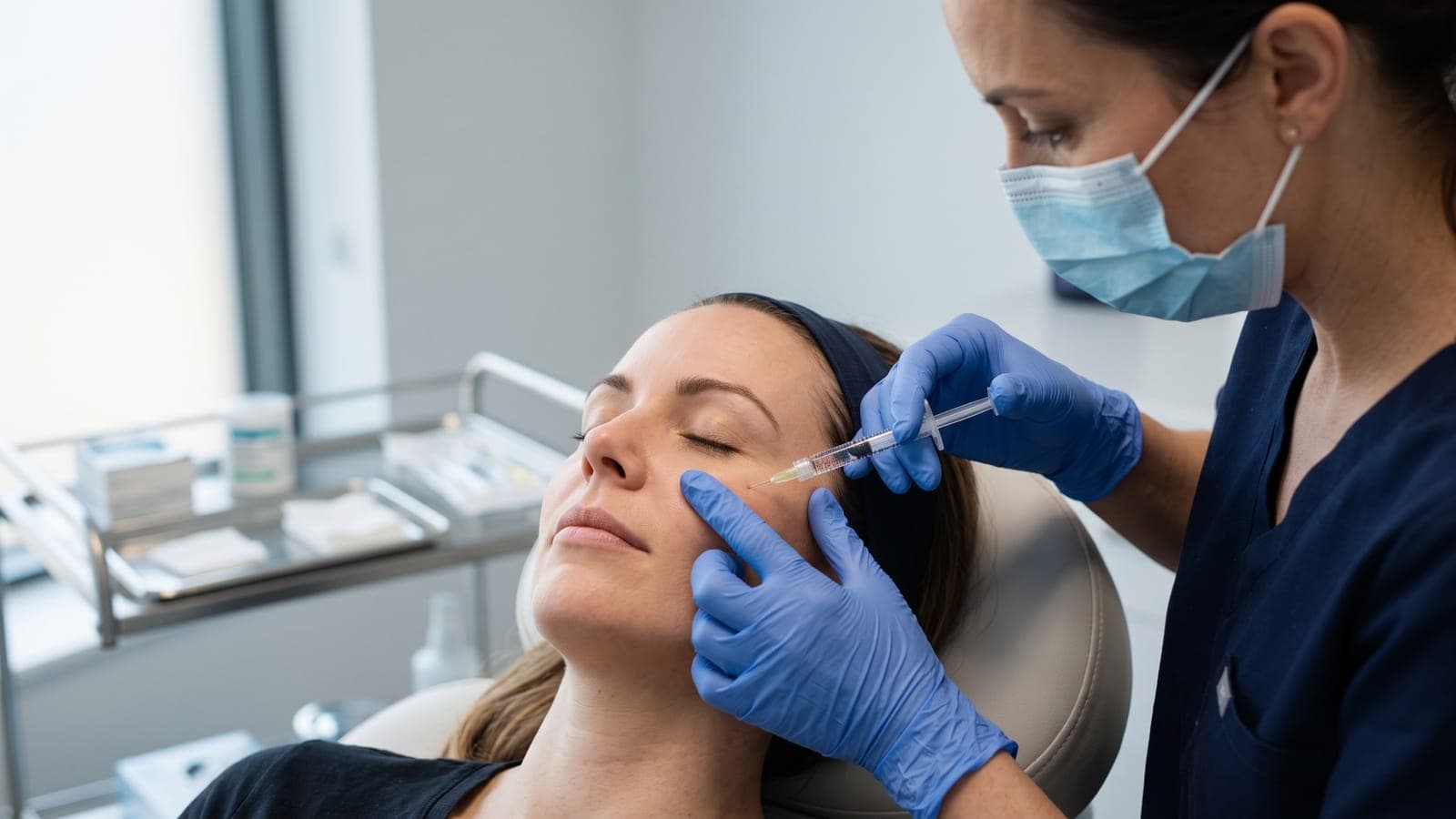
A good Botox consultation is part conversation, part assessment, and part paperwork. When the clinic is busy, the paperwork tends to win and the conversation gets squeezed. A written checklist of what to cover in a Botox consultation keeps every injector working to the same standard, helps new team members learn the routine, and gives the client a consistent experience no matter who they see.
This guide sets out a practical checklist for injectors and clinic managers in Canada, with an Ontario focus. It covers what to prepare before the visit, what to discuss in the room, what to document, and how to close the loop afterwards. It is an operational framework, not clinical guidance: the clinical judgement in every consultation belongs to the treating professional.
Why a Botox consultation checklist helps
Experienced injectors carry most of the consultation in their heads. The risk is not that they forget the big things, but that small steps slip on a day with back-to-back appointments: a medication update that wasn't asked about, a photo consent that wasn't signed, a follow-up that wasn't booked. A checklist protects against those gaps without scripting the conversation.
- Consistency: every client gets the same core discussion, whichever injector they see.
- Training: new staff can see exactly what a complete consultation looks like.
- Documentation: the checklist mirrors what should end up in the client record.
- Client confidence: a structured conversation feels thorough rather than rushed.
Before the consultation: preparation checklist
Much of the consultation's quality is decided before the client walks in. If intake and medical history forms are completed in advance, the injector can review them calmly and arrive with questions rather than reading a clipboard in front of the client.
Preparation
- Intake and medical history forms sent at booking, with a reminder if they're still incomplete a day or two before.
- Forms reviewed by the injector before the visit, with anything to clarify noted.
- Previous treatment notes, photos, and any past concerns reviewed for returning clients.
- The correct, current version of the consent form ready for the specific treatment.
- Enough appointment time booked for a genuine conversation, not just the treatment itself.
- A private room so the client can speak freely about their health and goals.
What to cover in the Botox consultation itself
The conversation is led by the treating professional and shaped by their training and college standards. The headings below are the topics most clinics want every consultation to touch on; the clinical detail under each one is for the injector to decide.
The client's goals and concerns
- What the client wants to change, in their own words, and why now.
- What they've tried before, where, and how they felt about the result.
- How they want to look and feel afterwards, including how noticeable they want any change to be.
- Any upcoming events or timing constraints they're working around.
Health history review
The injector reviews the medical history the client submitted and asks about anything that needs clarifying, including recent changes. What counts as relevant, and what would lead to a deferral or referral, is a clinical decision for the treating professional and should follow their college's expectations and your clinic's written clinical policies.
Assessment and treatment options
Following their assessment, the professional explains whether treatment is appropriate, what the options are, and whether a different treatment, a referral, or no treatment might suit the client better. Clients appreciate hearing "this isn't the right option for you" when it's true; it builds more trust than a treatment that disappoints.
Expectations, risks, and alternatives
This is the heart of informed consent. The professional discusses the expected benefits, material risks and side effects, alternatives, and what happens if the client chooses not to proceed, and gives the client room to ask questions. Clients should also understand that results take time to appear, that they wear off, and that a review appointment may be part of the plan.
Consent, photos, and paperwork
Once the discussion is complete, the paperwork records it. A signature on a form is evidence that consent was discussed; it never replaces the conversation. Our overview of consent and documentation in injectables clinics explains the wider process in more detail.
Paperwork checklist
- Treatment-specific consent form signed and dated, with the form version recorded.
- Separate consent for clinical photographs, and a clear choice about any marketing use.
- Baseline photos taken in a consistent setup, stored in the client record and not on a personal phone.
- Communication preferences recorded, including whether the client agrees to text messages.
- Any questions the client raised, and the answers given, noted by the professional.
Documenting the consultation
Each regulated professional must meet their own college's documentation standards, which take priority over any general list. Operationally, most clinics want the consultation record to show the following:
- Who conducted the consultation, and the date and time.
- The client's stated goals and the health history reviewed, including updates.
- The assessment and the plan agreed, or the reason treatment was deferred or declined.
- The consent discussion and the signed form.
- Photographs taken, with the related consent.
- Aftercare information provided and the follow-up arranged.
Write the note at the time of the visit or as soon as possible afterwards. Corrections should leave the original entry visible, with the date and the person who made the change.
After the consultation: closing the loop
A consultation that ends with "we'll be in touch" often ends there. Close it properly so the client knows exactly what happens next.
- Give written aftercare approved by your clinical lead, in addition to the verbal explanation. See our guide to aftercare instructions clients actually follow for ideas on format.
- Book the review appointment before the client leaves, if your clinical policy includes one. Our article on setting a Botox touch-up policy explains how to frame it.
- Explain how to contact the clinic with questions or concerns, and what to do outside opening hours.
- Note the likely rebooking window so reminders can be timed sensibly later.
How software can help
A checklist works on paper, but it's easier to follow when the system does part of it for you. In MedClinora, clinics can send digital intake and consent forms at booking, keep signed forms, notes, and the treatment-photo timeline on the client's record, book the review appointment before the client leaves, and send appointment reminders by email (and by text where SMS is set up and the client hasn't opted out). See the features page for details.
How long should a Botox consultation take?
There is no single right length. Book enough time for the professional to review the history, assess, discuss options and risks, and answer questions without rushing. New clients usually need more time than returning clients whose history is already on file.
Can the consultation and treatment happen on the same day?
That depends on the treating professional's judgement, their college's standards, and your clinic's policies. Some clinics separate them for new clients so the client has time to consider the information; others combine them when appropriate. Write your policy down and apply it consistently.
Who can carry out a Botox consultation in Ontario?
Assessment, prescribing, delegation, and administration of prescription drugs are governed by provincial law and the regulatory colleges. Check the current standards of the relevant college, such as the CPSO or CNO, for each professional on your team.
Should clients fill in forms before the consultation?
Yes, where possible. Sending intake and history forms at booking gives the injector time to review them and makes the consultation more focused. The professional should still confirm and update the information in person.
A Botox consultation checklist doesn't make the conversation mechanical; it frees the injector to focus on the client because the routine steps are covered. Adapt the lists above to your clinic's policies, confirm them against your college's standards, and review them once a year. For the next step in the client journey, read how to manage appointments and follow-ups at a Botox clinic.
Sources and further reading
General information only. This article is educational and isn’t legal, tax, financial, or clinical advice. Requirements depend on your province, your professional college, your role, and the treatments you offer — confirm them with the relevant regulator or a qualified adviser.