Botox and Injectables Clinics
How to Build a Better Client Experience at an Injectables Clinic
Improve each step of the injectables client journey — enquiry, booking, intake, the visit, clinician-approved aftercare, and follow-up.

Key takeaways
- Map the client journey from first enquiry to rebooking, and fix the weakest step first.
- Answer enquiries quickly and honestly, without promising results.
- Collect forms before the visit so appointment time is spent on the client, not paperwork.
- Aftercare and follow-up messages should be written or approved by qualified clinicians.
Clients choosing an injectables clinic are often comparing several options, and many are nervous about their first treatment. The clinical work matters most, but the experience around it — how quickly you reply, how clearly you explain, how organised the visit feels — strongly influences whether a client trusts you, returns, and recommends you.
This guide follows the client journey step by step, with practical improvements at each stage.
Map the journey first
Write down every step a new client goes through, from the moment they find you to the moment they book a second visit. For most injectables clinics, that looks something like this:
- Finds the clinic through search, social media, or a referral.
- Sends an enquiry or looks for prices and availability.
- Books a consultation.
- Completes intake and medical history forms.
- Arrives, checks in, and waits.
- Has the consultation and, where appropriate, treatment.
- Pays and leaves with aftercare information.
- Receives follow-up and, later, an invitation to return.
Then ask your team, and a few trusted clients, where things feel slow, confusing, or impersonal. You'll usually find one or two weak spots that are worth fixing first.
Enquiries: reply fast, and be honest
A client who sends an enquiry is often contacting other clinics at the same time. Replying promptly — within business hours, and with a clear expectation outside them — is one of the simplest ways to stand out.
- Set a target reply time for messages, calls, and social media enquiries, and check it weekly.
- Have approved answers ready for common questions: pricing structure, what a consultation involves, parking, and how to book.
- Never promise specific results. Explain that suitability and treatment options are assessed by a qualified clinician at the consultation.
- Move personal health questions out of public comments and into a private channel, or a consultation.
Booking: make it easy to say yes
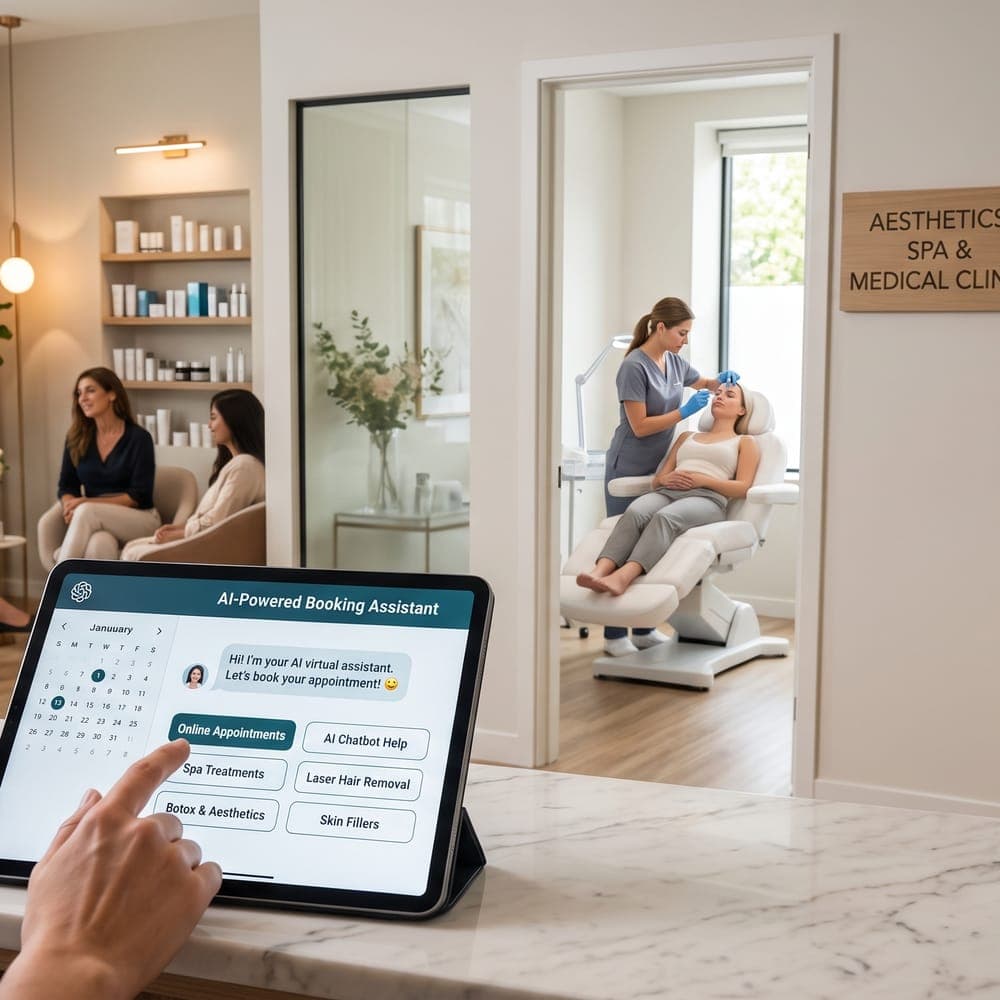
- Offer online booking or booking requests for consultations, so clients can book outside business hours.
- Show how long the appointment takes and what happens at it.
- Send an immediate confirmation with the address, arrival instructions, and your cancellation policy.
- Tell new clients what to expect: that the clinician will review their history and discuss options before any treatment.
Intake: collect forms before the visit
Filling in a medical history on a clipboard in the waiting room is a poor start: it's rushed, it's not private, and it eats into appointment time. Sending forms in advance gives clients time to answer carefully and gives your clinician time to review them.
- Send intake and medical history forms with the booking confirmation.
- Send a reminder if forms aren't complete a day or two before the visit.
- Keep forms short and plain-language; ask only what your clinicians need.
- Explain why you're asking and how the information is protected.
- Make sure completed forms are attached to the client's record, not left in an inbox.
The visit: calm, private, on time
- Greet clients by name and confirm their appointment discreetly at check-in.
- Keep waiting times short; if you're running late, tell clients as soon as you know.
- Hold consultations where they can't be overheard.
- Give clients time to ask questions, and make it clear that they can decide not to proceed.
- Review the consent form together rather than handing it over to sign.
Aftercare: approved by your clinicians
Aftercare information should be written or approved by the qualified clinicians responsible for the treatment, and kept up to date. Don't copy generic instructions from other clinics or the internet.
- Give aftercare information in writing as well as verbally, so the client can refer back to it.
- Include how to contact the clinic with questions, and what to do if they're concerned after hours.
- Make sure any message describing a possible complication reaches a clinician quickly.
Follow-up and the next visit
A short check-in message after a first treatment shows care and gives clients an easy way to raise questions. If your clinicians offer a review appointment, book it before the client leaves. Later, a well-timed invitation to rebook — sent only to clients who've agreed to hear from you — brings people back without pressure.
Feedback is valuable too. A simple question ("How was your visit?") with space for comments will tell you more about the experience than any number of assumptions. Be careful with public reviews: don't offer incentives for positive reviews, and never post client stories or photos without explicit, documented consent.
Measure what matters
- Average reply time to enquiries.
- Percentage of new clients who complete forms before arrival.
- Average waiting time after check-in.
- Percentage of first-time clients who return within the period your clinicians would expect.
- Themes in client feedback and complaints.
Where software helps
MedClinora is designed around this journey: online booking and confirmations, intake and consent forms sent before the visit, a shared inbox for website chat, client records with visit history, and reminder and follow-up emails. See what's available on the features page, or read about managing appointments and follow-ups at a Botox clinic.
A great client experience isn't about luxury touches. It's about responding quickly, explaining clearly, respecting privacy, and following up consistently — every time, for every client.
Sources and further reading
General information only. This article is educational and isn’t legal, tax, financial, or clinical advice. Requirements depend on your province, your professional college, your role, and the treatments you offer — confirm them with the relevant regulator or a qualified adviser.