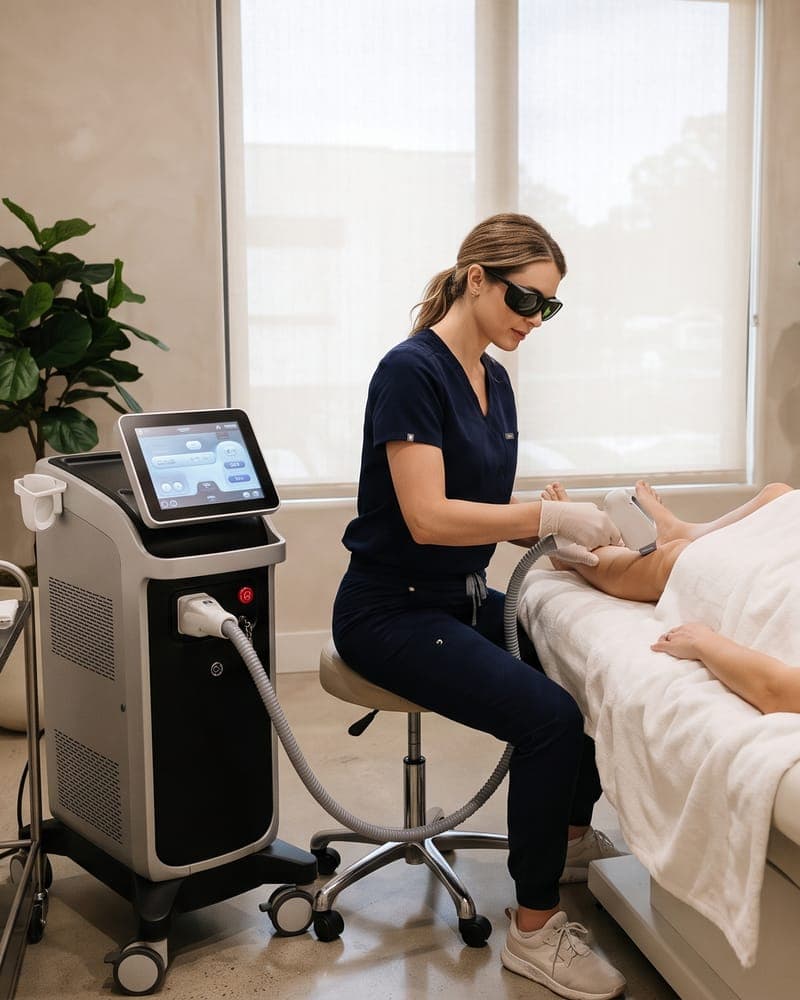
Laser and Skin Clinics
How Skin Clinics Can Manage Treatment Packages and Repeat Visits
Set up treatment packages clients understand: transparent terms, session tracking, payment records, expiry and refund policies, and clear communication.

Key takeaways
- Write package terms in plain language and share them before the client pays.
- Track every session used, and show clients what remains.
- Keep accurate payment records for each package, including refunds and transfers.
- Check consumer protection rules before setting expiry dates or refund limits.
Packages are a natural fit for skin and laser clinics. Many treatments are delivered as a course, clients appreciate a clear upfront price, and prepaid sessions encourage people to complete the plan their clinician recommended. But packages also create obligations: you're holding a client's money for services you haven't delivered yet.
This guide covers how to set packages up fairly, track them accurately, and communicate clearly — so they build trust rather than disputes.
Design packages around real treatment plans
The best packages reflect how a treatment is actually delivered. Ask your clinical lead which services are typically provided as a course, and build packages that match — rather than creating bundles purely to raise the average sale.
- Base the number of sessions on your clinical protocols, while being clear that individual needs vary.
- Decide whether a package covers one specific service or a choice of services.
- Make sure clients are assessed as suitable before they buy a course of treatment.
- Avoid implying that buying a package guarantees a particular result.
Write transparent terms
Most package disputes come from terms the client didn't see or didn't understand. Put the terms in writing, keep them short, and share them before payment.
Package terms should cover
- Exactly what's included: the service, the number of sessions, and any extras.
- The total price, taxes, and how and when payment is taken.
- How long the client has to use the sessions, if there's a time limit.
- What happens if a client can't continue for medical reasons, or if the clinician advises stopping.
- Your refund policy and how unused sessions are valued.
- Whether the package can be transferred to another person.
- How cancellations and missed appointments affect remaining sessions.
Track sessions accurately
Every session used should be recorded against the package at the time of the appointment — not reconciled from memory at the end of the month. That way, anyone at the front desk can tell a client exactly where they stand.
- Link each appointment to the package it draws from.
- Record the date, the service, and the practitioner for each session used.
- Show the remaining sessions and any expiry date on the client's record.
- Decide in advance how a late cancellation or no-show affects the package, and apply it consistently.
Keep clean payment records
A package is a liability until the sessions are delivered. Your accountant will want to know how much has been prepaid and how much has been used. Keep a record of:
- The purchase date, price, taxes, and payment method.
- Any deposits or instalments, and when they were paid.
- Refunds, partial refunds, and the reason for each.
- Transfers between clients, if your terms allow them.
Ask your accountant how prepaid packages should be treated for tax and revenue purposes. The Canada Revenue Agency's GST/HST pages (opens in a new tab) are a useful starting point.
Communicate throughout the course
Clients are more likely to complete a package — and to buy another — when they can see their progress and feel the clinic is keeping track for them.
- Include remaining sessions in booking confirmations.
- Book the next session at checkout, at the interval your clinician sets.
- Send a reminder when a package has unused sessions and no upcoming booking.
- Give clients plenty of notice before any expiry date, with an easy way to book.
- When the course ends, invite the client for a review with their clinician rather than pushing an immediate repurchase.
Packages, memberships, and gift cards
These three are often confused. A package is a set number of sessions of a treatment. A membership is an ongoing arrangement, usually billed regularly, with included benefits. A gift card is stored value someone else can redeem. Each has different terms, accounting, and consumer protection considerations, so keep them separate in your systems and policies.
Gift cards are a good example. Ontario's consumer protection rules generally prohibit expiry dates on gift cards, but the government's guidance on buying or using gift cards (opens in a new tab) notes an exception for cards covering one specific service. In practice, a card for one named treatment may carry an expiry date, while a dollar-value card generally may not. Check how the rules apply to your cards before you sell them.
Measures worth tracking
- Packages sold, by service.
- Completion rate: the share of package sessions used.
- Unused sessions approaching expiry.
- Repeat purchases after a completed package.
- Refunds and disputes, with the reason for each.
How MedClinora handles packages
MedClinora lets clinics sell prepaid treatment packages and track remaining sessions and expiry on each client's record, alongside memberships and gift cards, with invoices and payment records. See the features page for current availability.
Done well, packages give clients clarity and give your clinic predictable revenue. Keep the terms honest, the tracking exact, and the communication regular. For laser courses specifically, read how to organize laser hair removal appointments and treatment courses.
Sources and further reading
General information only. This article is educational and isn’t legal, tax, financial, or clinical advice. Requirements depend on your province, your professional college, your role, and the treatments you offer — confirm them with the relevant regulator or a qualified adviser.