Small Aesthetics Practices
Aesthetics Bookkeeping Basics for Small Practices in Canada
Bookkeeping basics for small aesthetics practices in Canada: separate accounts, deposits, packages, sales tax, and a simple monthly routine to stay on track.
Key takeaways
- Keep business money separate from personal money from day one, with its own bank account and card.
- Record income in a way that handles deposits, packages, memberships, gift cards, and refunds clearly.
- Ask an accountant early about GST/HST registration, business structure, and what records to keep.
- A short weekly and monthly routine prevents a stressful scramble at tax time.
Few practitioners go into aesthetics because they love spreadsheets, but clean books make every other part of the business easier. This guide covers bookkeeping basics for small aesthetics practices in Canada: how to set up, what to record, where clinic-specific transactions like deposits and packages can trip you up, and a routine that keeps you ready for your accountant.
It's general information, not tax or accounting advice. Tax rules depend on your structure, revenue, province, and the services you provide, so confirm the details with a qualified accountant.
Set up the foundations
Good bookkeeping starts before your first client. A few decisions made early save hours of untangling later.
Before you open
- Decide on a business structure, such as a sole proprietorship or a corporation, with an accountant's advice.
- Register the business as required. Ontario's business and economy (opens in a new tab) pages explain the options.
- Open a separate business bank account and get a business credit card.
- Choose bookkeeping software your accountant is comfortable with.
- Ask your accountant whether you need to register for GST/HST now or later.
- Set up a simple way to keep receipts, such as scanning them into your bookkeeping software.
Keep business and personal money apart
Mixing accounts is one of the most common bookkeeping problems in small practices. It makes it hard to see how the business is really doing, and it turns tax time into detective work. Separate accounts also make it far easier for your accountant to see which expenses belong to the business, which can save you time and fees at year-end.
- Pay all business expenses from the business account or card.
- Deposit all business income into the business account, including card payouts and e-transfers.
- Pay yourself with clear, regular transfers rather than ad hoc spending from the business account.
- If a personal card is used by mistake, record it straight away as an expense to reimburse.
Record income the clinic way
Aesthetics practices have more complicated income than many small businesses. Clients pay deposits, buy packages in advance, hold memberships, redeem gift cards, and occasionally get refunds. Each needs to be recorded consistently.
Deposits
A deposit is usually money paid towards a future treatment. Record when it was taken and when it was applied, forfeited under your policy, or refunded. Ask your accountant how to treat deposits that haven't yet been used.
Packages and memberships
When a client prepays for a course of treatments, you've received the money but not yet delivered all the services. Keep a clear record of what's been used and what's outstanding for each client, and ask your accountant how and when to recognise that income.
Gift cards
Track gift cards sold, redeemed, and outstanding. Ontario has consumer protection rules about gift cards, so check the Consumer Protection Ontario (opens in a new tab) pages before setting terms such as expiry dates.
Refunds and adjustments
Record refunds against the original sale, with a short reason. A clear refund trail helps when a client asks a question months later.
Track expenses in useful categories
Your accountant will map expenses to tax categories, but a few practice-specific categories make your own reporting more useful.
- Clinical products and consumables: the cost of what's used in treatments.
- Retail stock: skincare or other products bought for resale.
- Equipment: devices and furniture, which your accountant may treat differently from everyday expenses.
- Rent and occupancy: rent, utilities, cleaning, and waste.
- Insurance, licences, and professional fees: liability insurance, college fees, and continuing education.
- Software and payment fees: clinic software, bookkeeping software, and card processing.
- Marketing: advertising, website, photography, and printing.
Payment processing and payouts
Card processors usually pay out your sales minus fees, sometimes in batches that don't line up neatly with each day's appointments. Record gross sales and fees separately, so your income and costs are both accurate. Do the same for e-transfers and any cash, which are easy to forget because they don't arrive with a processor statement. A daily end-of-day check, comparing payments taken with appointments completed, catches most mistakes while they're still easy to fix.
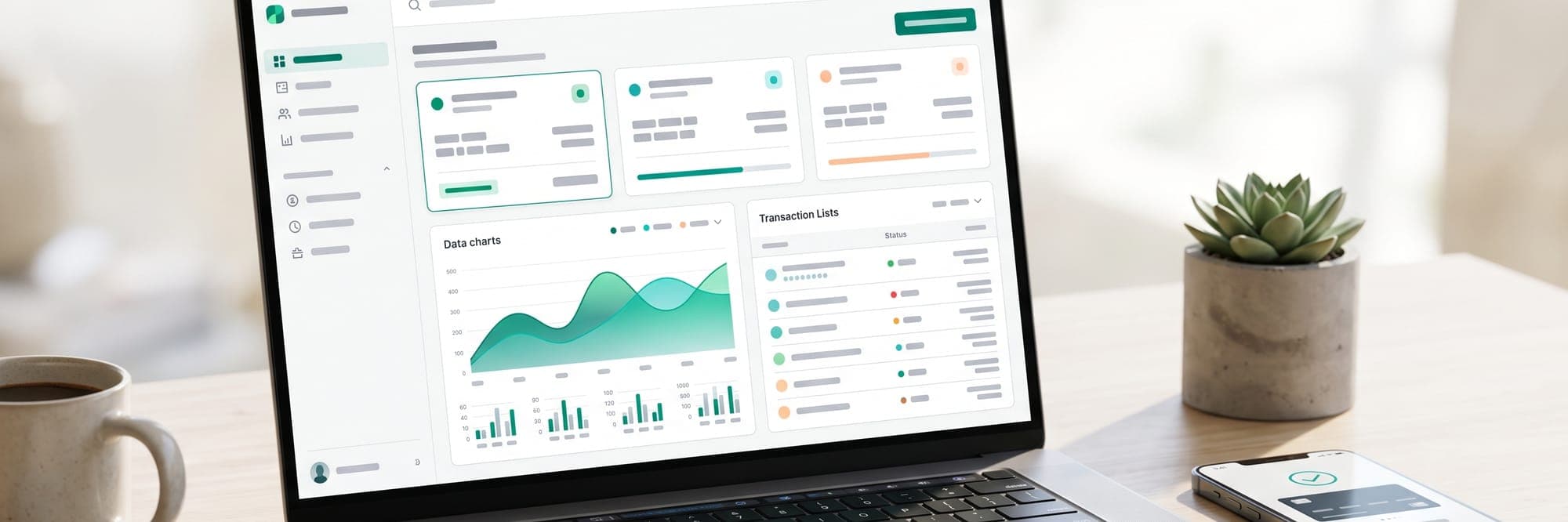
Taking payments and deposits through a payment processor connected to your clinic software helps, because each payment is linked to a client and appointment. In MedClinora, invoices and the payments recorded against them sit with each client, and reporting shows sales by service, which makes reconciling simpler. See the features page for details.
A simple bookkeeping routine for aesthetics practices
Weekly
- Upload or photograph receipts for the week's expenses.
- Check that card payouts match the sales recorded in your clinic system.
- Review outstanding deposits, unpaid invoices, and refunds.
Monthly
- Reconcile the business bank account and credit card in your bookkeeping software.
- Review revenue by service and the cost of products used.
- Check outstanding package sessions and gift card balances.
- Set aside money for sales tax and income tax in a separate account, as your accountant advises.
- Note any large purchases or changes to tell your accountant about.
Yearly
- Meet your accountant to plan for year-end and tax filings.
- Review your prices, product costs, and subscriptions.
- Confirm how long to keep records, and archive the year securely.
Know your numbers, not just your books
Bookkeeping isn't only about tax. Once your records are current, a few simple figures tell you whether the practice is healthy and where to focus.
- Revenue by service: which treatments bring in the most, and which barely cover their costs.
- Product cost per treatment: what you spend on products and consumables for each service, so prices stay realistic.
- Fixed costs per month: the amount you need to cover before you earn anything.
- Outstanding obligations: unused package sessions, gift card balances, and deposits you may need to honour or refund.
- Cash set aside for tax: so filing deadlines never become a crisis.
Payroll when you hire
Once you hire staff, you'll take on payroll obligations such as deductions and remittances, and employment standards will apply. Get your accountant or a payroll provider set up before your first pay day. Our guide to hiring your first employee at a small aesthetics clinic covers the wider steps.
Do aesthetics clinics charge HST in Ontario?
It depends on the clinic's registration status and whether each service is taxable. Cosmetic services and some health services can be treated differently. Check the Canada Revenue Agency's GST/HST guidance and confirm with your accountant.
Can I do my own bookkeeping for a small aesthetics practice?
Many solo practitioners keep their own day-to-day books using bookkeeping software and hand them to an accountant for year-end and tax filings. If the books fall behind, a part-time bookkeeper can be worth it.
How should I record prepaid treatment packages?
Track what each client has paid for, what they've used, and what remains. Ask your accountant how to recognise the income, since the money arrives before all the services are delivered.
What records should a small clinic keep for tax purposes?
Typically sales records, receipts, bank and card statements, payroll records, and sales tax filings. Your accountant can confirm exactly what to keep and for how long.
Bookkeeping doesn't need to be complicated, but it does need to be regular. Separate your accounts, record clinic-specific income clearly, and give an hour a week to keeping things current. For related reading, see how to open a small aesthetics clinic on a budget and admin habits for solo aesthetics practitioners.
Sources and further reading
General information only. This article is educational and isn’t legal, tax, financial, or clinical advice. Requirements depend on your province, your professional college, your role, and the treatments you offer — confirm them with the relevant regulator or a qualified adviser.