Laser and Skin Clinics
Chemical Peel Consultations and Aftercare: A Clinic Workflow
A chemical peel consultation and aftercare workflow for skin clinics: intake, suitability, consent, prep, follow-up and records. A step-by-step process to use.
Key takeaways
- A consistent peel workflow runs from enquiry to consultation, consent, preparation, treatment, aftercare, and follow-up — with a record at every step.
- Peel selection, strength, preparation, and aftercare instructions are clinical decisions set by your clinical lead and the product manufacturer.
- Send approved aftercare in writing the same day, and make it easy for clients to reach a qualified person with concerns.
- A planned check-in after the peel catches problems early and is the natural moment to plan the next step.
Chemical peels look simple on the appointment list, but a good result depends on what happens before and after the treatment as much as during it. A clear chemical peel consultation and aftercare workflow for skin clinics makes sure every client is assessed, consented, prepared, and followed up in the same way, whichever practitioner they see.
This guide focuses on the process and paperwork around peels. It deliberately doesn't cover which peel to use, strengths, application technique, or specific aftercare products — those belong to your clinical lead, your protocols, and the manufacturer's instructions.
Step 1: Enquiry and booking a consultation
Many clinics require a consultation before a first peel, either as a separate appointment or as a longer first visit. Whichever you choose, set expectations at booking, so clients don't arrive expecting to be treated on the spot.
- Explain that a consultation comes first and what it involves.
- Send your digital intake form with the booking confirmation so the practitioner can review it in advance.
- Share any pre-consultation instructions your clinical lead has approved.
- Make your cancellation policy clear, especially if the consultation requires a deposit.
Step 2: The chemical peel consultation
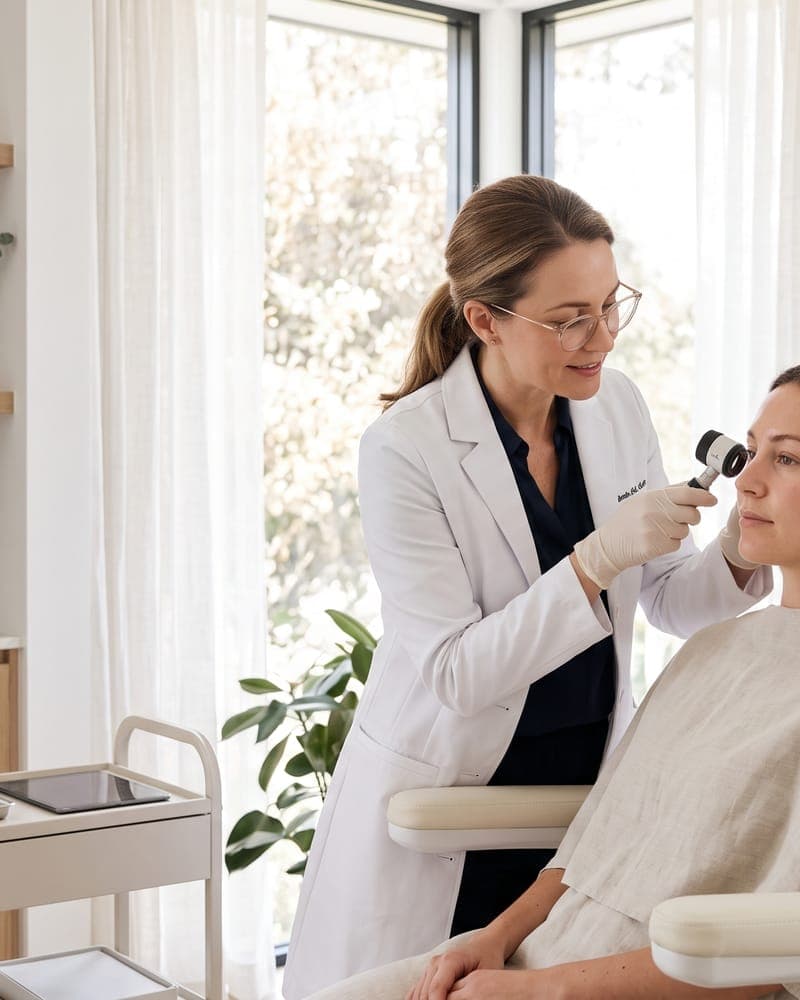
The consultation is where suitability is decided and expectations are set. Give practitioners a structured template so nothing is missed and records are comparable across visits.
Consultation record template
- Client goals in their own words.
- Medical history, medications, allergies, and recent treatments, reviewed against your intake form.
- Skin assessment as your protocols require, which may include a skin phototype classification such as the Fitzpatrick scale.
- Contraindications or reasons to delay, as defined by your clinical lead.
- The recommended approach, any alternatives discussed, and the reasons.
- Expected downtime, likely number of sessions, and realistic outcomes explained.
- Baseline photos taken with consent, using a consistent setup.
- Whether the client is suitable today, needs preparation first, or should be referred.
For guidance on recording skin type consistently, see recording Fitzpatrick skin type and skin assessments.
Step 3: Informed consent
Consent is a conversation recorded in writing, not just a signature. The client should understand what the treatment involves, the expected benefits, common and serious risks, alternatives, aftercare responsibilities, and costs before they agree.
- Use a peel-specific consent form approved by your clinical lead.
- Give clients time to read it — sending it ahead as a digital form helps.
- Record who obtained consent, the date, and any questions asked.
- Refresh consent when the treatment plan changes significantly, as your protocols require.
Step 4: Preparation before the peel
Some peels require preparation in the days or weeks beforehand, and some clients need to pause certain products or activities. These instructions are clinical, so they must come from your clinical lead or the product manufacturer.
- Write approved preparation instructions for each peel type you offer.
- Send them with the booking confirmation and again in the reminder.
- Time the reminder early enough for the client to follow the instructions — and to cancel within your notice period if they can't.
- At check-in, confirm the client followed the instructions and record the answer.
Step 5: On the day of treatment
- Confirm identity, consent, and any changes to health or medications since the consultation.
- Confirm preparation instructions were followed.
- Record the product, batch or lot number if your protocol requires it, and the practitioner.
- Record the client's immediate response as your protocols require.
- Take follow-up photos if your protocol includes them.
- Go through aftercare verbally before the client leaves.
Step 6: Chemical peel aftercare that clients follow
Aftercare is where many peel complications are prevented — or made worse. Clients are more likely to follow instructions they can find again easily and understand.
- Use your approved aftercare sheet, specific to the peel performed, written in plain language.
- Send it in writing the same day, by email or through a client portal, as well as handing it over.
- Explain what is expected — typical sensations and changes — and what isn't, so clients know when to call.
- Give a clear contact route for concerns, and make sure messages reach a qualified team member quickly.
- Say when to seek urgent care, using wording approved by your clinical lead.
Step 7: Follow-up and next steps
A planned check-in after the peel — a message, call, or short review appointment, as set by your clinical lead — reassures clients and catches problems early. Record the outcome in the client record.
This is also the natural point to plan the next step. If the client is following a series, book the next session at the interval your clinician has set. Our guide to managing treatment packages and repeat visits explains how to keep prepaid series organised, and building an acne scar treatment program covers combining treatments in a longer plan.
Common gaps in a peel workflow
When clinics review their peel process, the same weak spots tend to appear. Checking for them every few months keeps the workflow honest.
- Consent signed on the day, in a rush. Sending the consent form with the booking gives clients time to read it and ask questions at the consultation.
- Preparation instructions sent once. Clients forget; repeat them in the reminder.
- Aftercare given only verbally. Clients remember little of what they're told while their skin feels tight or warm. Always follow up in writing.
- No owner for aftercare questions. If concerns land in a general inbox that nobody checks until the next day, set a clear rule for who responds and how quickly.
- Inconsistent photos. Different lighting or angles make it impossible to compare results across a series.
- Follow-ups that depend on memory. A check-in that isn't scheduled or tasked is a check-in that gets missed.
A short annual audit — pulling a handful of peel records and checking each step was completed and recorded — is a simple way to find gaps before they cause problems.
How software can help
In MedClinora, clinics can send digital intake and consent forms before the visit, keep a consent and treatment-photo timeline in each client record, send appointment reminders with your approved preparation notes, and build treatment plans and packages for peel series. The team inbox helps route aftercare questions to the right person. See the features page for details.
Do you need a consultation before a chemical peel?
Many clinics require one before a first peel so the practitioner can review history, assess the skin, explain risks, and obtain consent. Your clinical lead and professional standards decide what is required.
What should chemical peel aftercare instructions include?
Clear, peel-specific guidance approved by your clinical lead or the product manufacturer, what to expect, what isn't normal, how to contact the clinic, and when to seek urgent care.
How long after a chemical peel should a follow-up happen?
There isn't one rule. The timing of check-ins and repeat treatments depends on the peel and the client, and should be set by your clinical lead.
Should clinics take photos before a chemical peel?
Many do, with the client's consent, using the same lighting, angles, and setup each time so progress can be compared fairly.
A peel workflow isn't complicated, but it needs to be followed every time. Standardise your consultation template, consent, preparation messages, aftercare, and follow-up, and keep a record at each step. For more on structured records, read our guide to client records at a laser or skin clinic.
Sources and further reading
General information only. This article is educational and isn’t legal, tax, financial, or clinical advice. Requirements depend on your province, your professional college, your role, and the treatments you offer — confirm them with the relevant regulator or a qualified adviser.