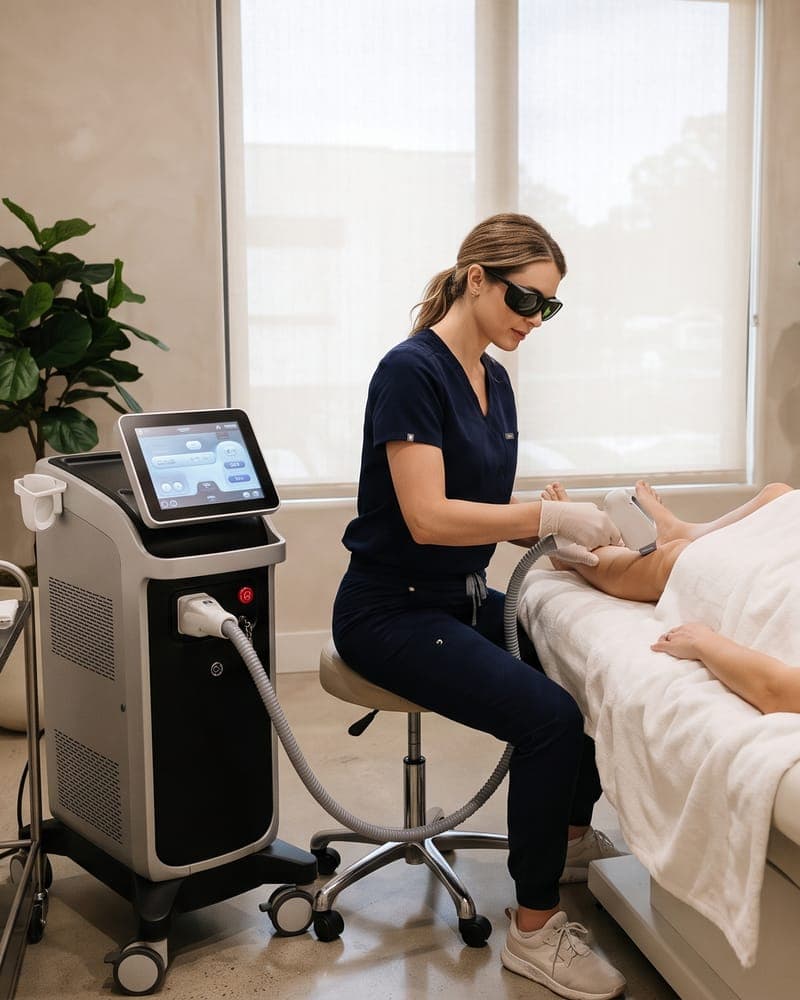
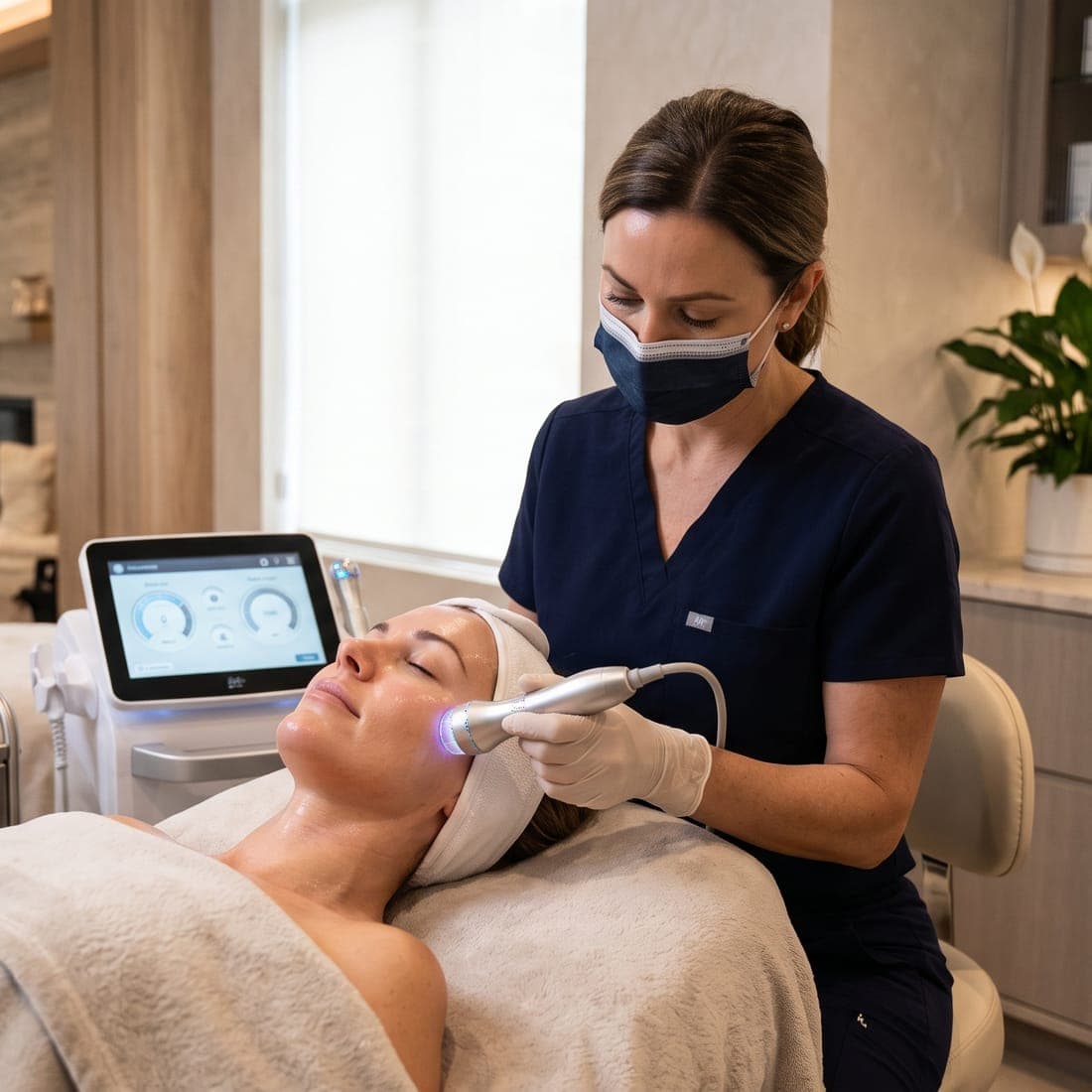
Laser and Skin Clinics
How to Price Laser Hair Removal Packages
How to price laser hair removal packages by area: work out your costs, set session lengths, build fair packages, and write clear terms. A step-by-step method.

Key takeaways
- Price from your own costs — device, operator time, room, consumables, and overheads — not just from what competitors charge.
- Price by treatment area using realistic appointment lengths, since time on the device is your main constraint.
- Describe packages as a number of sessions, never as guaranteed or permanent results.
- Put package terms in writing — expiry, transfers, pauses, and refunds — before the client pays.
Laser hair removal pricing is harder than it looks. Clinics sell many treatment areas of different sizes, usually as a course of sessions, often against competitors running eye-catching offers. Learning how to price laser hair removal packages by area from your own numbers lets you set prices that are fair to clients, sustainable for the clinic, and simple for the front desk to explain.
This guide walks through a pricing method you can apply to your own clinic. Any figures used are illustrative examples only — your costs, local market, and business model will differ, so check every number against your own records and advice from your accountant.
Start with what a device hour costs you
In a laser clinic, the device and trained operator are the bottleneck. So the most useful number to know is the cost of one hour of treatment time. Gather these costs for a typical month:
- Device costs: lease or loan payments, or purchase price spread over its expected working life.
- Service and maintenance: service agreements, repairs, and parts.
- Operator time: wages or fees for the time spent treating, including setup and turnaround.
- Room and overheads: rent, utilities, insurance, software, and front desk time, allocated to the laser service.
- Consumables: gels, covers, cleaning products, and other per-treatment supplies.
- Payment processing and marketing: fees and the cost of attracting new laser clients.
Divide the monthly total by the number of hours you realistically expect the device to be booked — not the hours it's available. An underused device makes every hour more expensive, which is why utilisation matters so much in laser pricing.
Set realistic appointment lengths by area
Pricing by area only works if each area has a realistic booked time. Ask your operators to time treatments over a few weeks, including client preparation, safety checks, and turnaround — not just the time the laser is firing.
Group areas into time bands
- Small areas, such as upper lip or chin.
- Medium areas, such as underarms or bikini line.
- Large areas, such as full legs or full back.
- Combinations you sell often, timed as a combination rather than added up.
Grouping areas into a few bands keeps your price list readable and your calendar manageable. Revisit the timings after a few months, because operators often get faster with experience and new devices can change treatment times. Our guide to organizing laser hair removal treatment courses explains how to build these appointment lengths into the schedule.
Turn costs into laser hair removal prices per session
Once you know your cost per booked hour and each area's time band, you can calculate a floor price per session: the cost of the time used. Then decide what margin the service needs to make to cover profit, reinvestment, and the risk of quiet periods.
- Calculate cost per session: cost per booked hour × hours for that area.
- Add your target margin to reach a base single-session price.
- Compare with local competitors to understand the market — but don't simply copy them.
- Round to clear, simple prices that the front desk can quote easily.
- Check that smaller areas still cover the fixed time every appointment takes.
For a broader look at margins and service pricing, see how to price medical spa services profitably.
Design laser hair removal packages
Most clinics sell laser hair removal as a package because clients usually need a course of sessions. A package rewards commitment and helps clients stay on schedule — but it needs careful design.
- Package size: base the number of sessions on what your clinical lead typically recommends, and explain that some clients need more and some fewer.
- Package price: many clinics offer a saving compared with paying per session. Make sure the packaged price still covers your cost per session.
- Top-up sessions: set a clear per-session price for sessions beyond the package.
- Area combinations: consider bundles for areas commonly treated together.
- Maintenance: if your clinical lead recommends occasional maintenance, price it separately and explain it up front.
Write clear package terms
Prepaid packages create obligations. Clear written terms prevent disputes and make the front desk's job easier. Have them reviewed against Consumer Protection Ontario (opens in a new tab) guidance or your province's equivalent.
Package terms should cover
- Exactly what's included: areas and number of sessions.
- Whether and when the package expires.
- What happens if the client becomes unsuitable for treatment, or needs to pause for health reasons.
- Your refund approach for unused sessions.
- Whether packages can be transferred or shared.
- How late cancellations and no-shows affect remaining sessions.
Be careful with discounts and promotions
Deep discounts can fill the calendar, but they can also attract clients who don't return at full price and leave you with a device booked at below cost. Before running an offer, check the discounted price against your cost per session, limit the number available, and decide how you'll convert offer clients into full courses. Make sure promotional emails and texts go only to clients who have given consent under Canada's anti-spam rules.
Review your pricing regularly
- Recalculate cost per booked hour at least yearly, or when costs change significantly.
- Track device utilisation and package completion rates.
- Watch which areas and packages sell, and which don't.
- Give clients reasonable notice of price changes, and honour existing packages.
Pricing reviews are also a good time to check how the front desk explains prices. If clients often ask the same questions — what counts as a "small" area, whether a consultation is charged, what happens after the package ends — add the answers to your price list and website. A price list that answers questions up front builds trust, reduces back-and-forth, and makes it less likely a client feels surprised at checkout. Keep one current version of the price list, date it, and make sure every team member is quoting from it.
How software can help
In MedClinora, clinics can sell treatment plans and packages that track remaining sessions and expiry, invoice clients and record their payments, and use reporting to see utilisation and package sales. Memberships and gift cards offer other ways to package laser services. See the features page.
How do clinics price laser hair removal by area?
Typically by grouping areas into time bands, working out the cost of the device and operator time for each band, and adding a margin. Market rates are a reference point, not the starting point.
Should laser hair removal be sold in packages?
Many clinics sell packages because treatment is usually a course of sessions. Packages should be described as a number of sessions, with clear written terms.
How many sessions should a laser hair removal package include?
Base it on what your clinical lead typically recommends, and explain that individual clients may need more or fewer sessions.
Can a clinic set an expiry date on laser packages?
Rules on expiry and refunds for prepaid services vary by province, so check consumer protection guidance and get advice before setting terms.
Good laser hair removal pricing starts with your own costs and device time, then adds packages and terms that are clear and fair. Calculate, test, and review regularly. For package management after the sale, read managing treatment packages and repeat visits.
Sources and further reading
General information only. This article is educational and isn’t legal, tax, financial, or clinical advice. Requirements depend on your province, your professional college, your role, and the treatments you offer — confirm them with the relevant regulator or a qualified adviser.